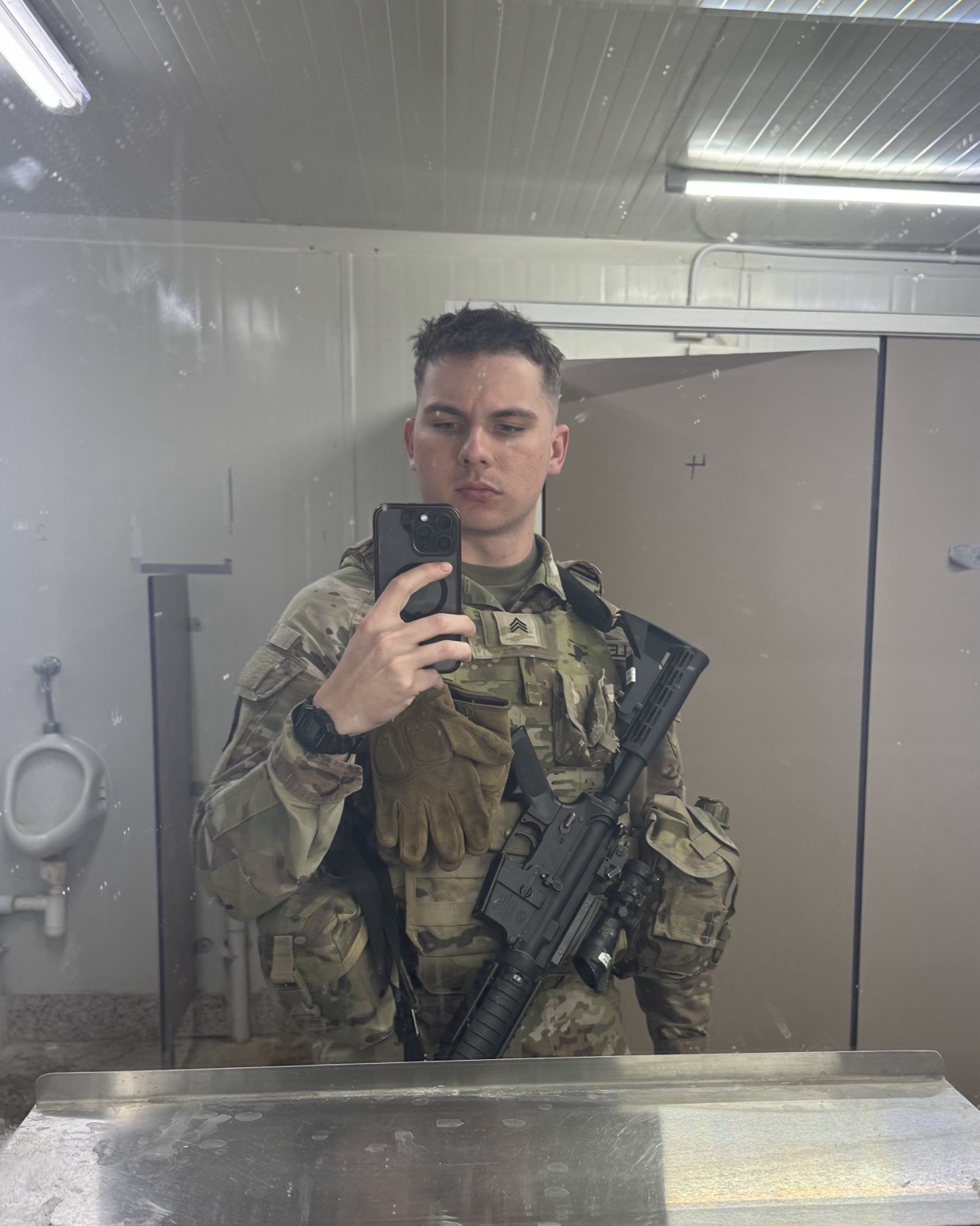
The U.S. Army recently authorized a new foreign military badge event that has gained massive traction across the force: the Danish Flyver Ruck March. While deployed to Qatar, I had the opportunity to complete the 12-mile challenge under some of the most punishing climate conditions on the planet. Stepping out onto the route at 94°F (34.4°C) with 80% relative humidity made every single mile feel like a multi-stage slugfest.
I had never tackled a loaded march in that level of ambient heat and moisture. But once the march was completed and the post-event recovery began, I started digging into the exercise science behind the misery: What actual physiological benefits come from training under extreme heat, and how do we harness them without breaking the machine?
"Heat is the poor man’s altitude — master the thermal stress, and everything else becomes easy."
The Biological Payoff: Heat Adaptations Under Load
Training in extreme temperatures triggers structural and cellular shifts that elevate your baseline conditioning faster than nearly any other training stimulus. When you operate under high heat index values, your body executes four major adaptations:
- 1. Plasma Volume Expansion Cardiovascular Sustained heat stress forces the kidneys and vascular system to expand total blood plasma volume within days. This increase directly boosts cardiac stroke volume, stabilizes blood pressure, and lowers your working heart rate at any given pace.
- 2. Heat Shock Protein (HSP) Production Cellular Defense Thermal stress stimulates the synthesis of Heat Shock Proteins. These molecular chaperones protect muscle tissue from cellular damage, speed up muscular recovery, and build intense psychological tolerance to fatigue.
- 3. Optimized Thermoregulation Sweat Efficiency The adapted body begins sweating earlier at a lower core temperature threshold, increases total sweat output for evaporative cooling, and actively downregulates electrolyte excretion to preserve crucial sodium and potassium reserves.
- 4. Cool-Climate Cross-Adaptation VO2 Max Carryover As highlighted by the Gritty Soldier platform, the vascular expansion developed in high heat translates directly to superior aerobic capacity and VO2 max gains when returning to moderate or cooler climates.
The Risk Spectrum: Respecting the Redline
While the conditioning ceiling is exceptionally high, the margin for error in 94°F/80% humidity is paper-thin. In high humidity, the ambient air is saturated, preventing sweat from evaporating and trapping core body heat.
During the march, the reality of the heat index was evident. When pacing and hydration are miscalculated, athletes encounter severe medical risks:
- Exertional Heat Exhaustion & Syncope Warning Stage Cardiovascular strain causes dizziness, nausea, heavy disorientation, and sudden circulatory collapse as blood pools away from the brain.
- Exertional Rhabdomyolysis Severe Hazard Rapid muscle cell breakdown leaks toxic myoglobin into the bloodstream, placing acute, life-threatening stress on the kidneys.
- Exertional Heat Stroke (EHS) Medical Emergency A core body temperature exceeding 104°F accompanied by central nervous system failure. EHS requires immediate rapid cooling and emergency medical evacuation.
The soldiers who succeeded were the ones who checked their egos, maintained consistent sodium and water intake, and paced according to the heat index rather than an idealized flat-ground stopwatch.
This Week's Challenge
Incorporate deliberate heat exposure into your weekly conditioning. Whether it's a weighted ruck during midday heat or a 20-minute post-lift sauna session, track your hydration, log your heart rate recovery, and focus on steady breathing under thermal load.